Vacuum Conveyor
Fully automatic vacuum conveying, dust-free and pollution-free, compliant with GMP standards.
Product Overview
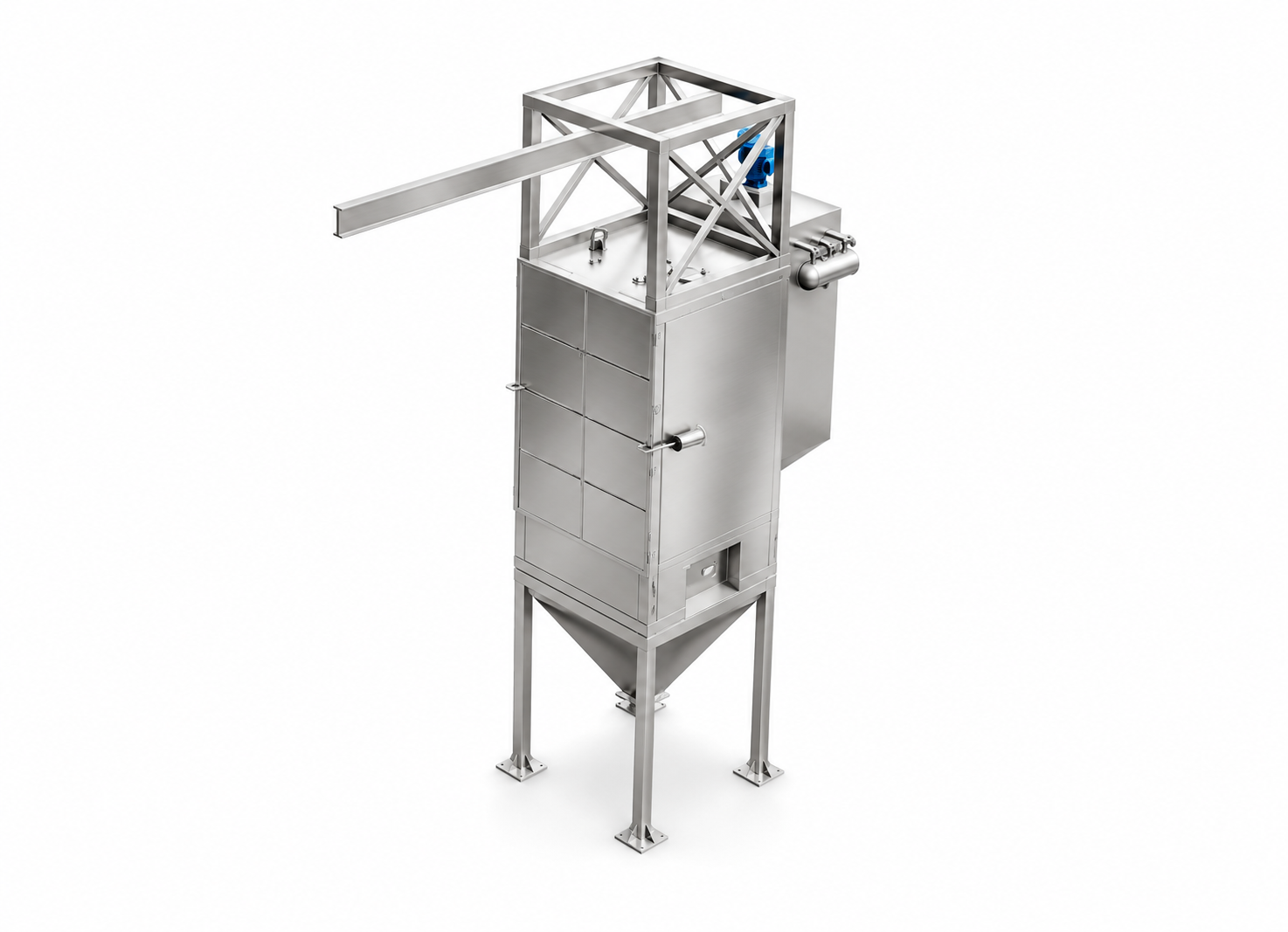
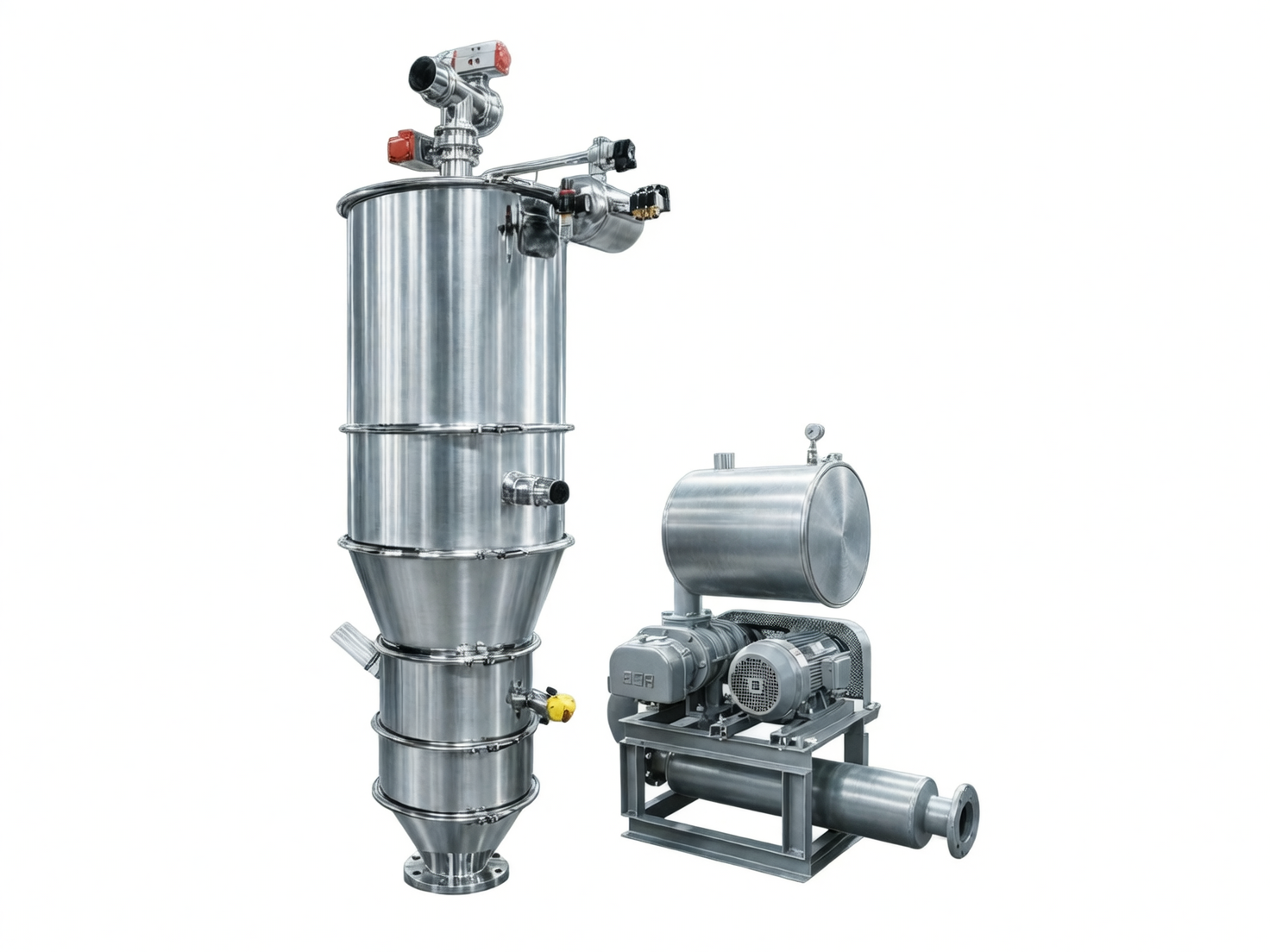
The vacuum conveyor is an automated device that uses vacuum negative pressure to achieve sealed material transport. It offers benefits such as zero dust leakage, high automation levels, and compliance with GMP/FDA standards, making it widely used in industries requiring high cleanliness, including pharmaceuticals, food processing, and chemicals.
Technical Specifications
| Parameter Name | Specifications |
|---|---|
| Device Model | HX-ZKS-500 |
| Delivery Capacity | 0.5-5 tons/hour |
| Transport Distance | Horizontal 30 m / Vertical 15 m |
| Vacuum level | -0.08 ~ -0.06 MPa |
| Material Selection | Stainless Steel 304 / 316L |
| Filtration Precision | 0.3μm (Titanium Filter) |
| Power | 1.5-7.5kW |
| Control Mode | Auto Scheduled / Level Control |
Friendly Reminder:The above are general parameters. Actual parameters are customized based on your material characteristics, production capacity requirements, and process specifications.Get Your Exclusive Plan →
Product Details
Vacuum Conveyor
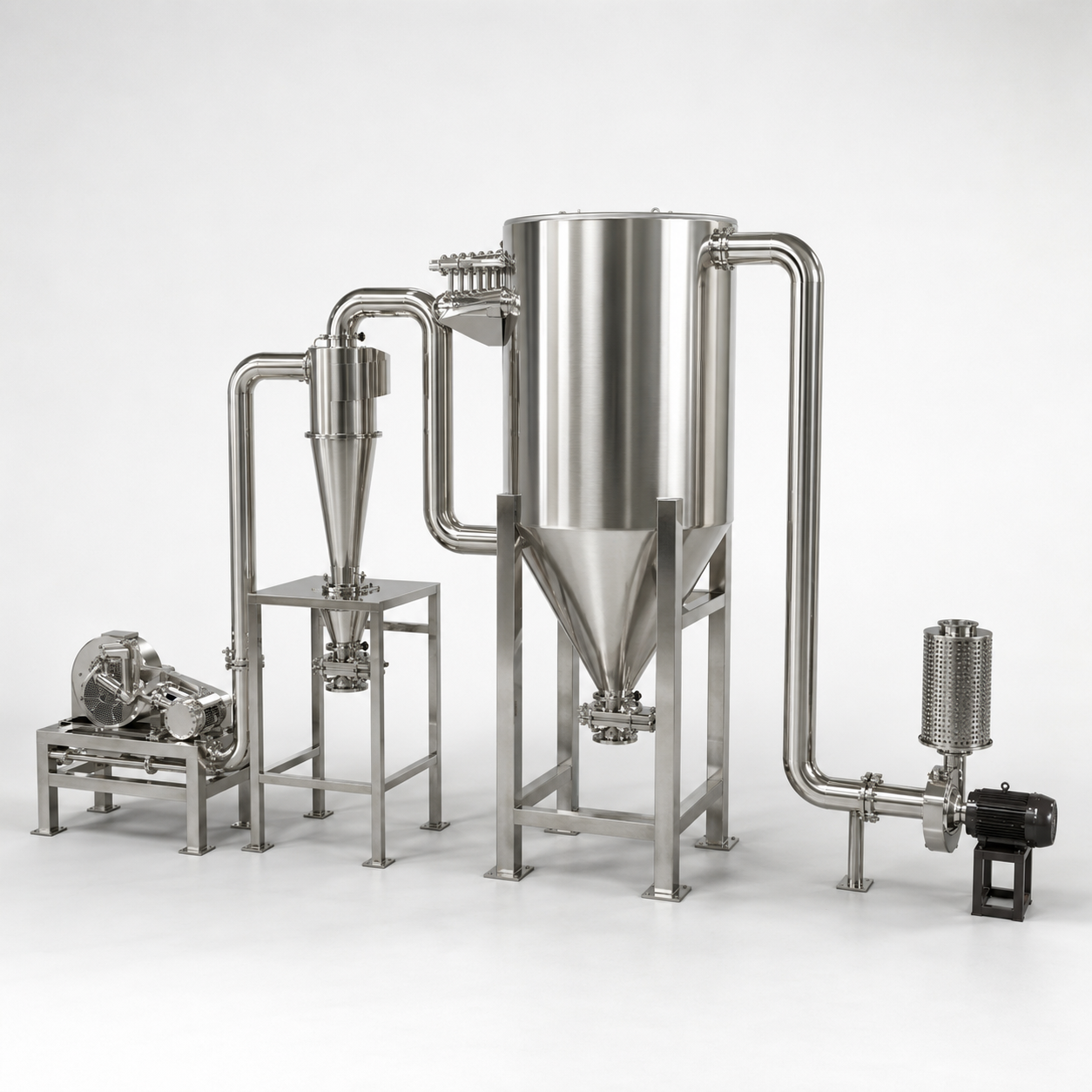
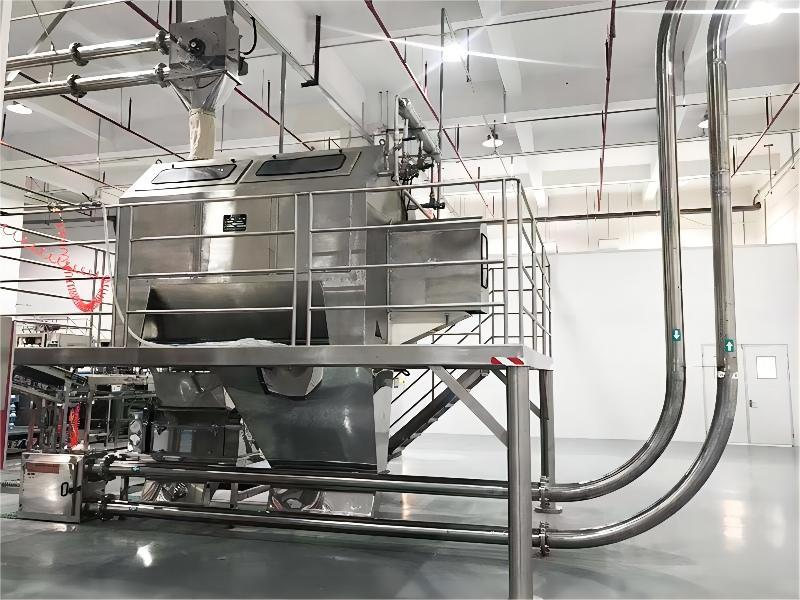
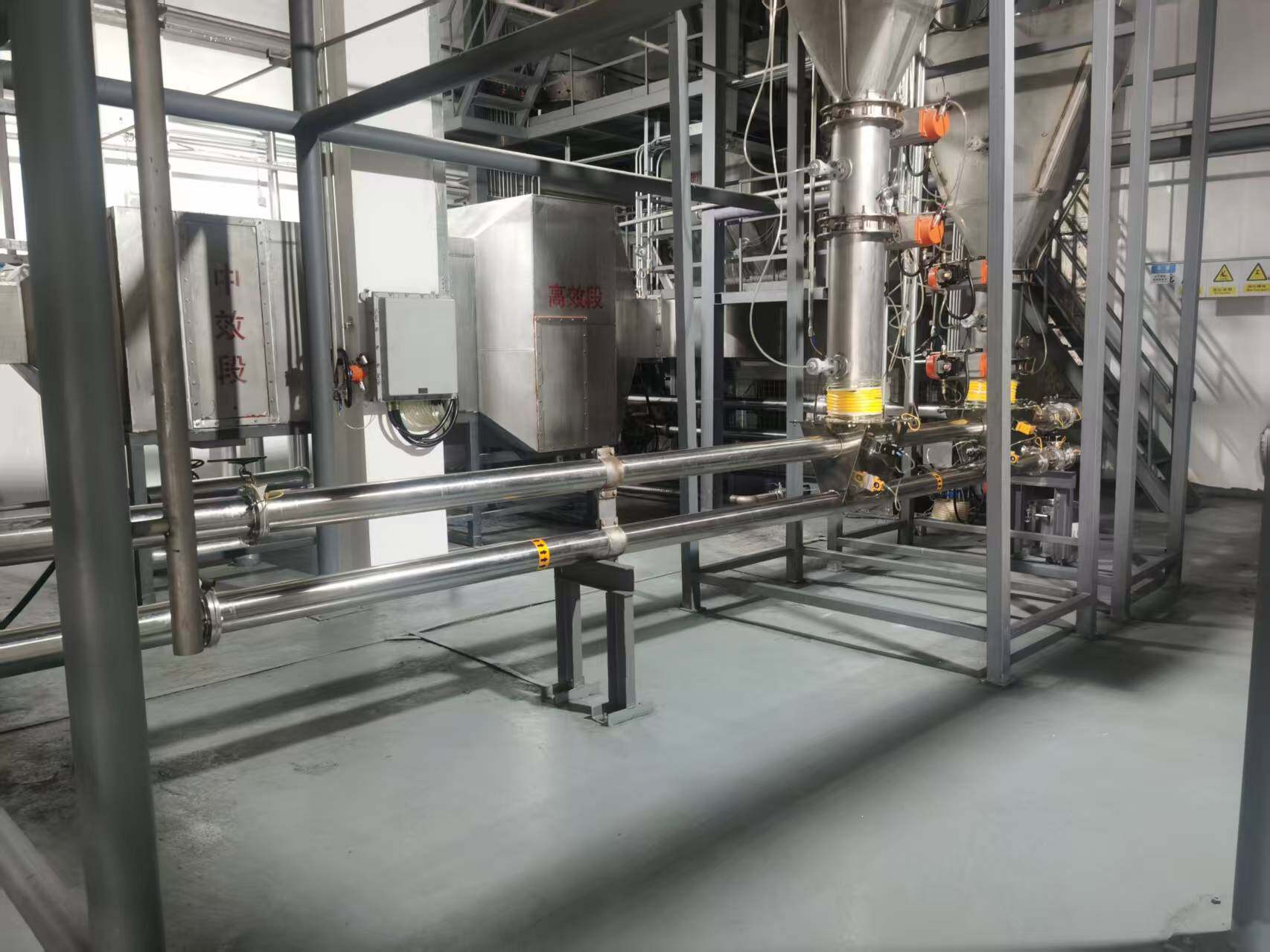
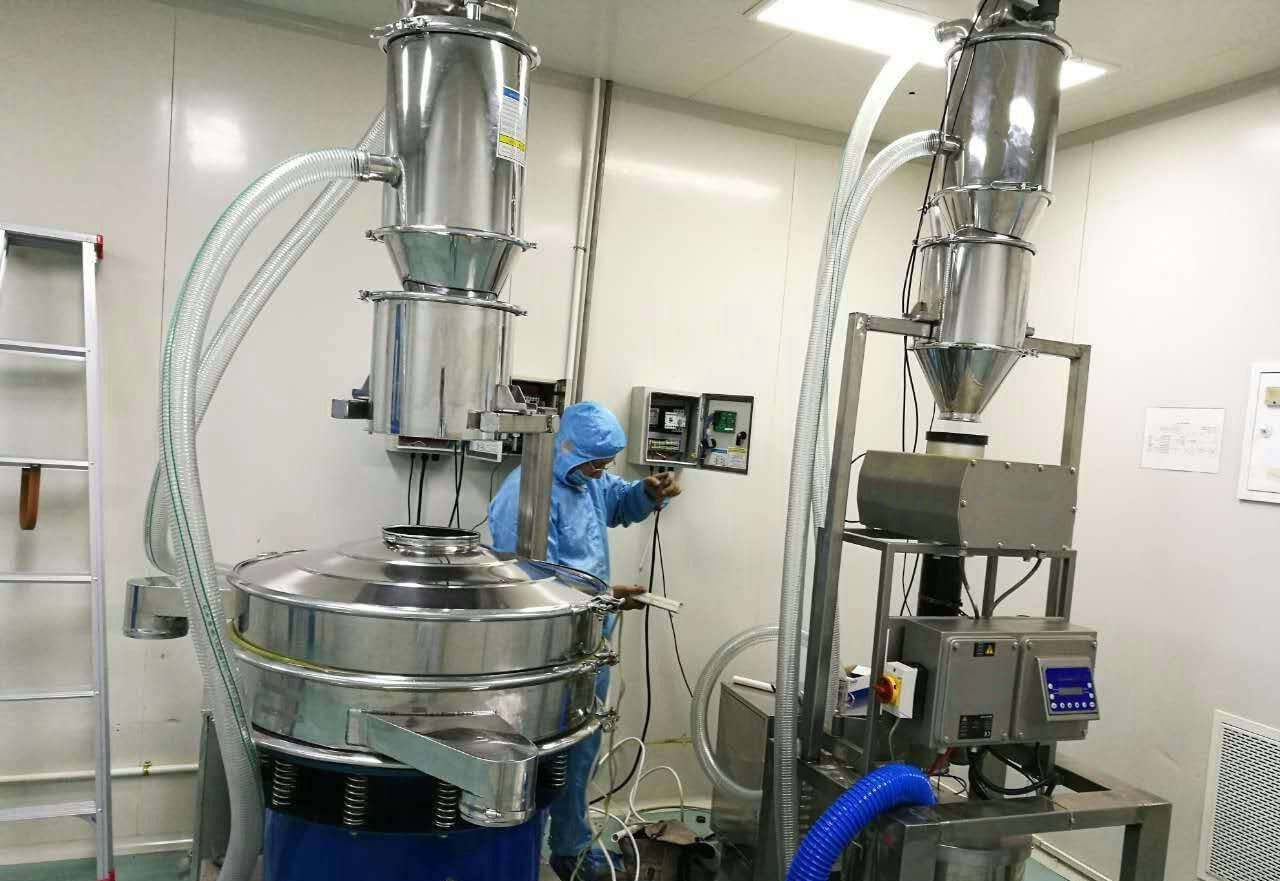
A vacuum conveyor is an automated feeding system that uses negative pressure to transport powders and granular materials. It moves物料 from buckets, bags, or storage bins into mixers, crushers, sieves, packaging machines, or silos. The equipment generates a negative-pressure airflow via a vacuum generator to draw materials into the conveying pipeline and deliver them to designated locations, enabling automated, sealed, and continuous feeding operations.
Compact design, easy operation, and small footprint reduce manual feeding effort while boosting production efficiency. The vacuum conveyor's sealed transport minimizes dust leakage and material contamination, making it ideal for applications requiring high environmental standards, material purity, and automation levels.
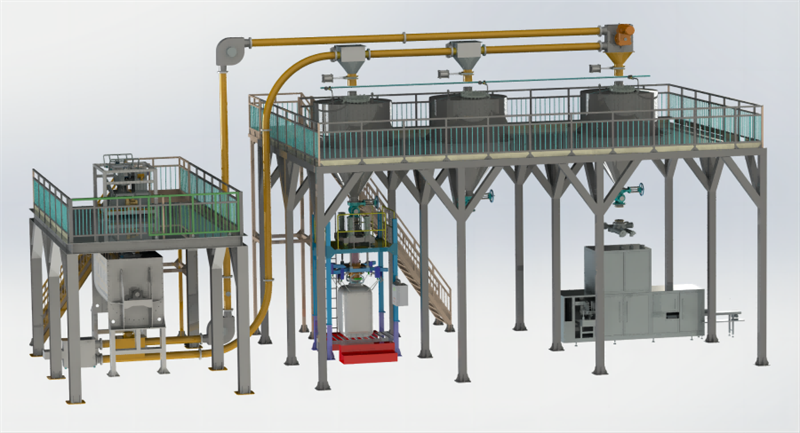
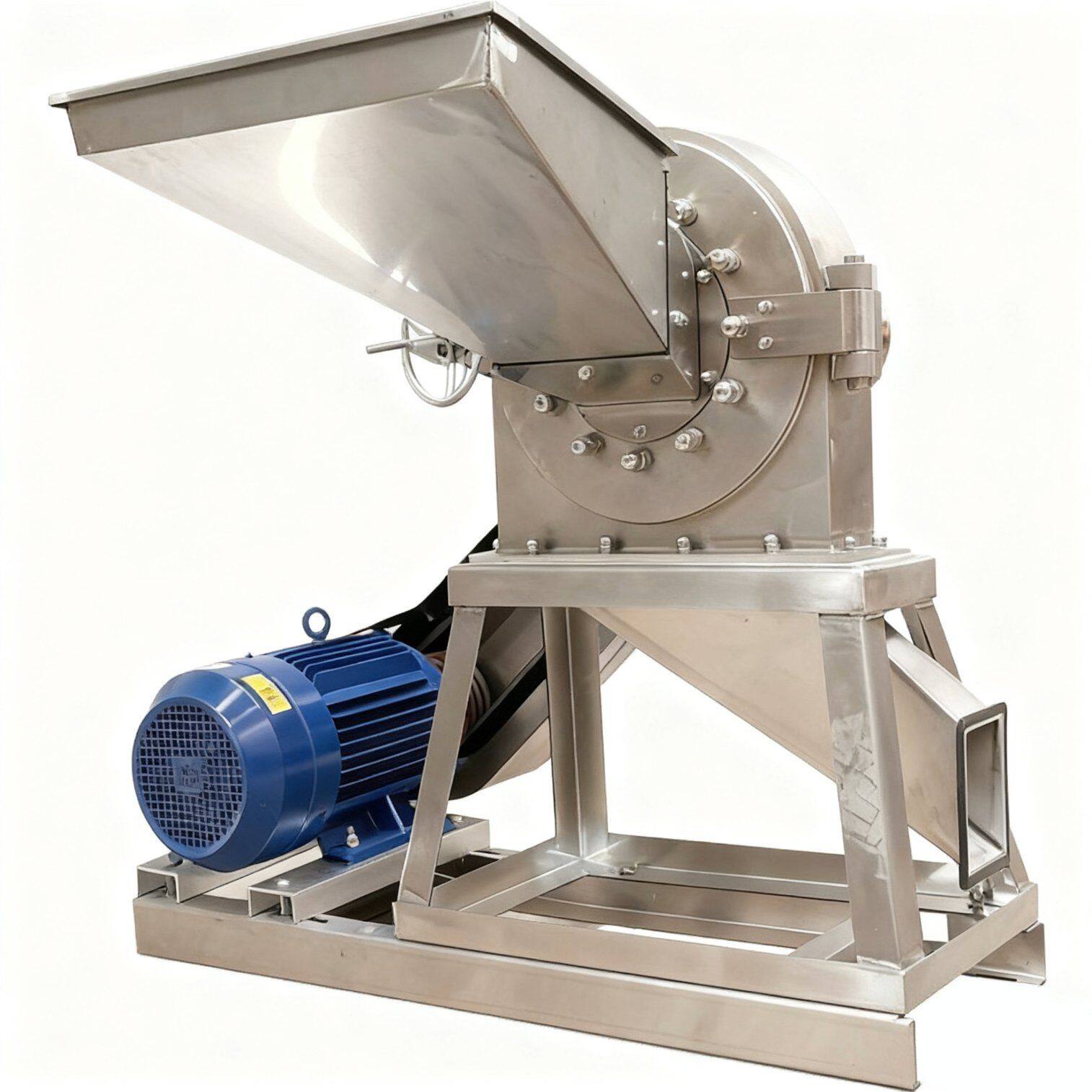
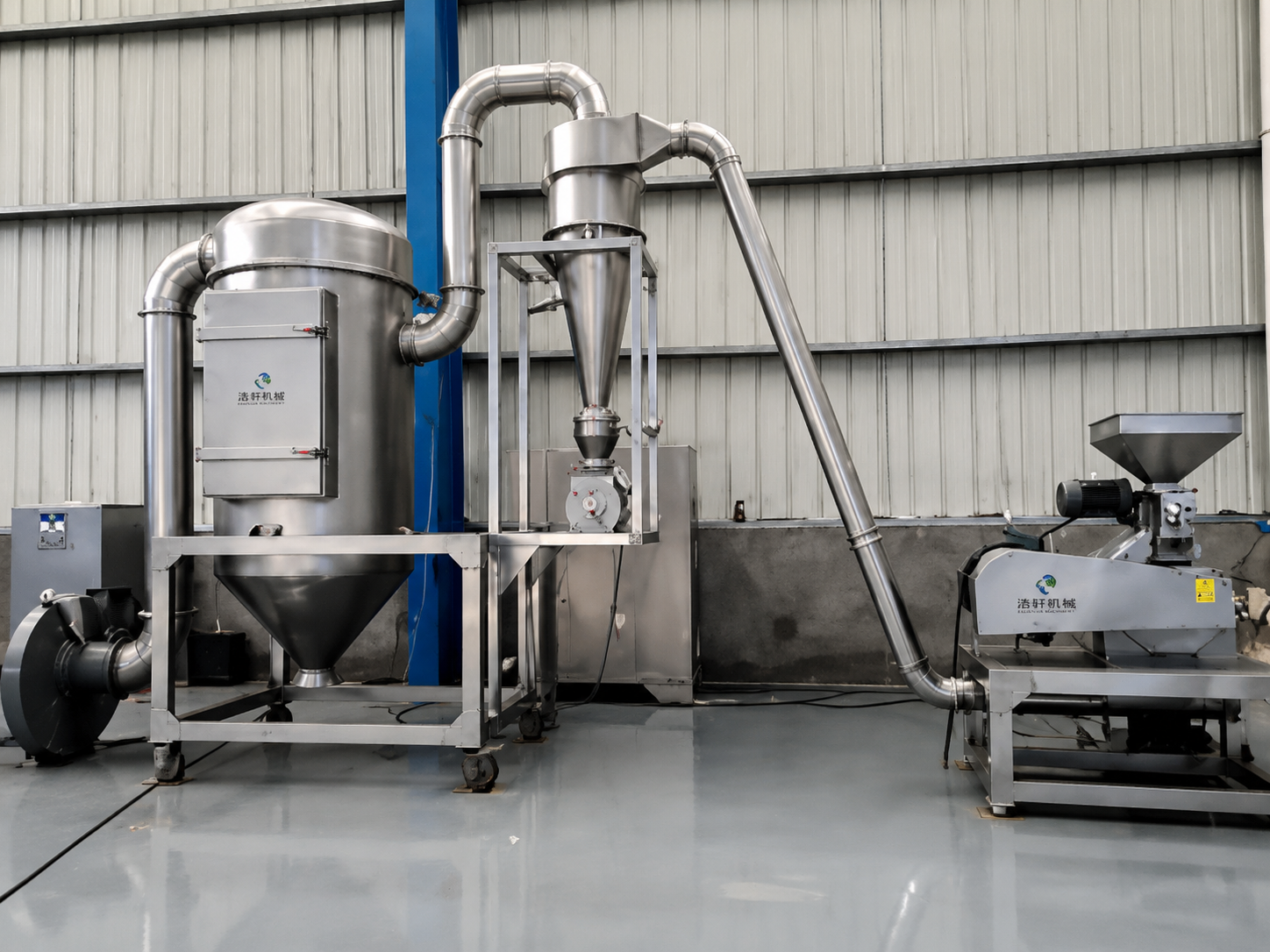
The vacuum conveyor can be configured with various filtration systems, pulse-jet cleaning units, level control systems, and automation controls to suit different material properties and production requirements. It can operate as a standalone unit or integrate with ultrafine grinders, universal mills, mixers, vibratory sieves, packaging machines, and silos to form an automated production line, enabling stable, efficient, and clean material handling for your facility.
Device Features
Automatic feeding to reduce manual effort
Replaces manual handling and feeding to boost production efficiency and reduce operator workload.
Closed-loop transport to minimize dust pollution
Materials are conveyed through enclosed pipelines to minimize dust leakage and improve the production environment.
Compact design, flexible installation
Compact footprint; flexible layout to suit site space and process requirements.
Stable performance with simple operation
Highly automated with automatic material loading, unloading, and dust cleaning for easy operation and maintenance.
Wide range of applications
Suitable for short- to medium-distance conveying of various powders and granular materials.
Compatible with multiple production equipment
Integrates with crushers, mixers, sieves, packaging machines, and silos for continuous production.
Supports custom configurations
Custom-designed based on material properties, conveying distance and height, production requirements, and site layout.
Applicable Materials
Suitable for powders, granules, and bulk materials with good flowability, such as flour, starch, powdered milk, seasoning powder, pharmaceutical powder, chemical powder, plastic pellets, food additives, feed additives, mineral powder, metal powder, and new energy battery materials.
Industries Served
Widely used in food, chemical, pharmaceutical, feed, plastic, building materials, new energy materials, powder processing, and automated production lines.
Custom Services
Based on material name, raw material state, conveying distance and height, production capacity requirements, equipment material, filtration method, and downstream interface specifications, we provide vacuum feeder selection design and complete line integration solutions to help customers achieve efficient, eco-friendly, and stable automated feeding.
How it works
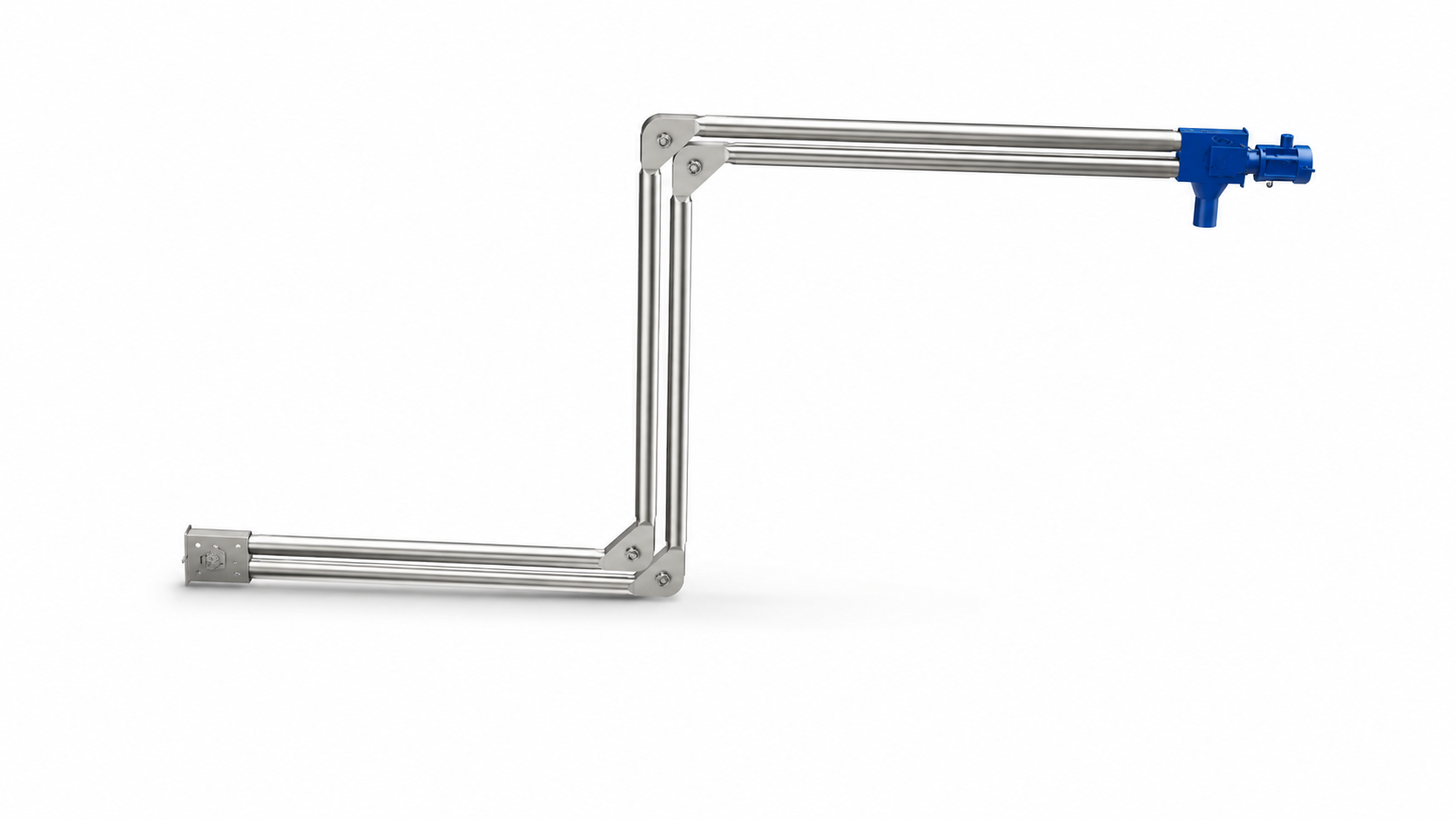
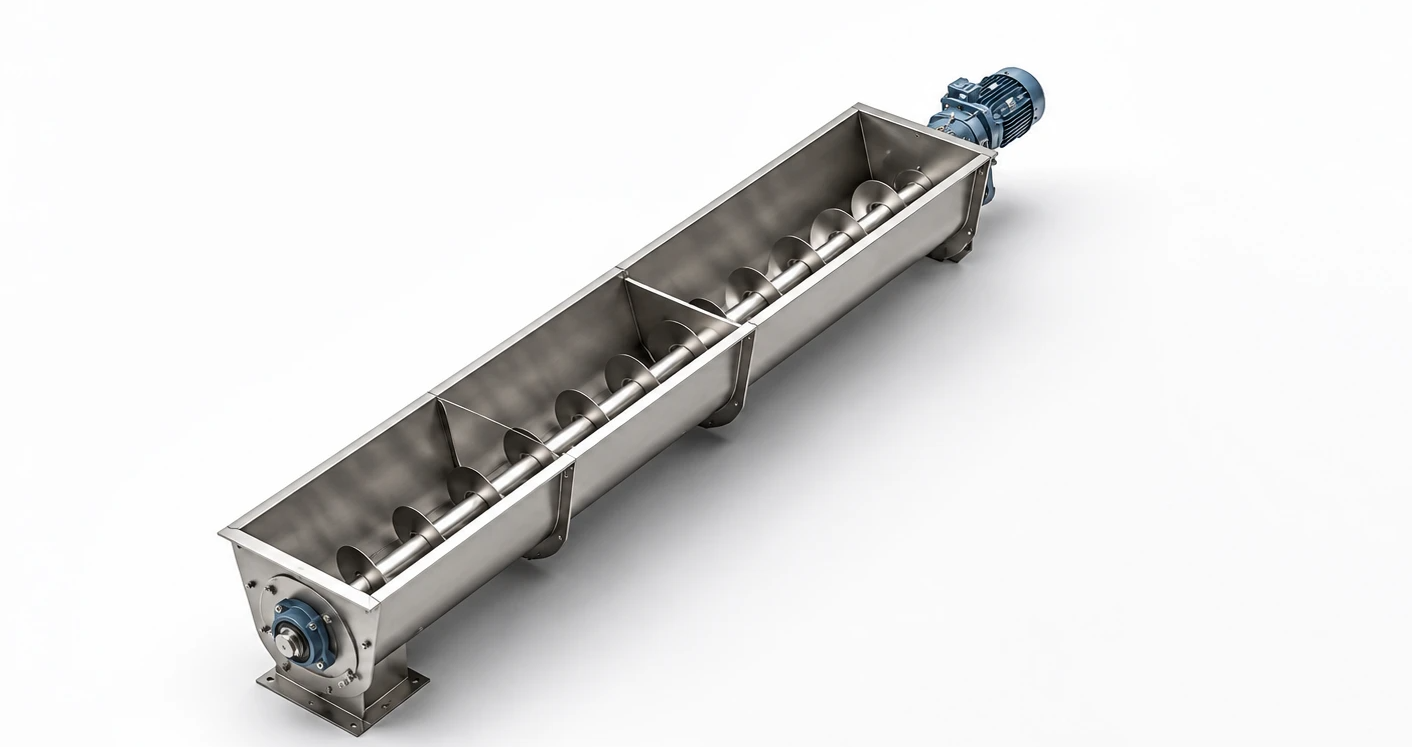
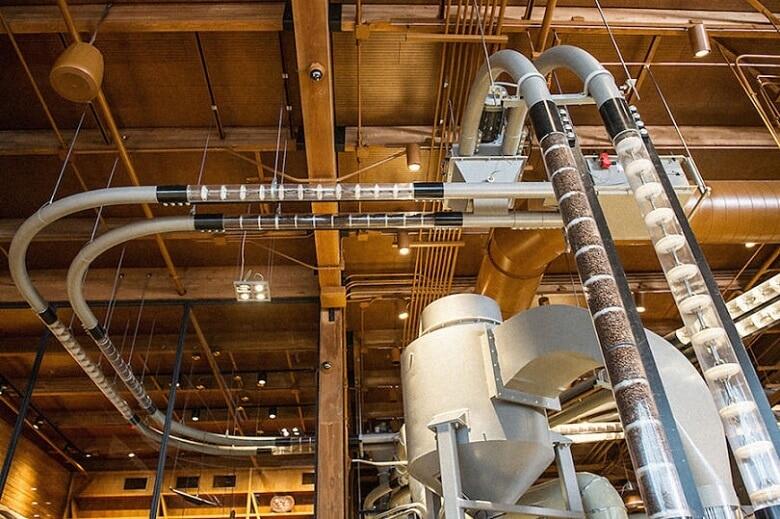
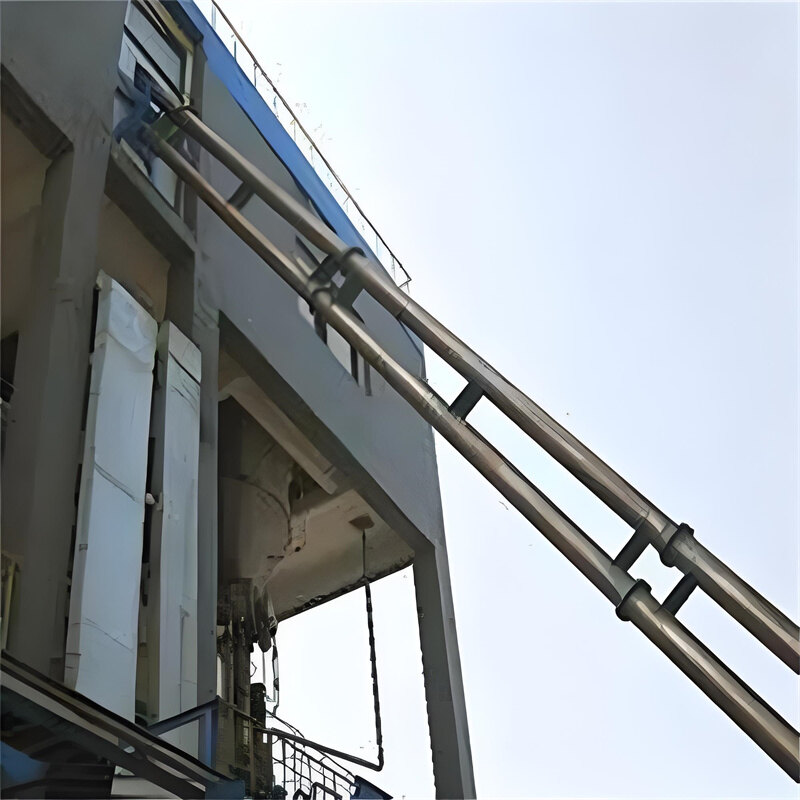
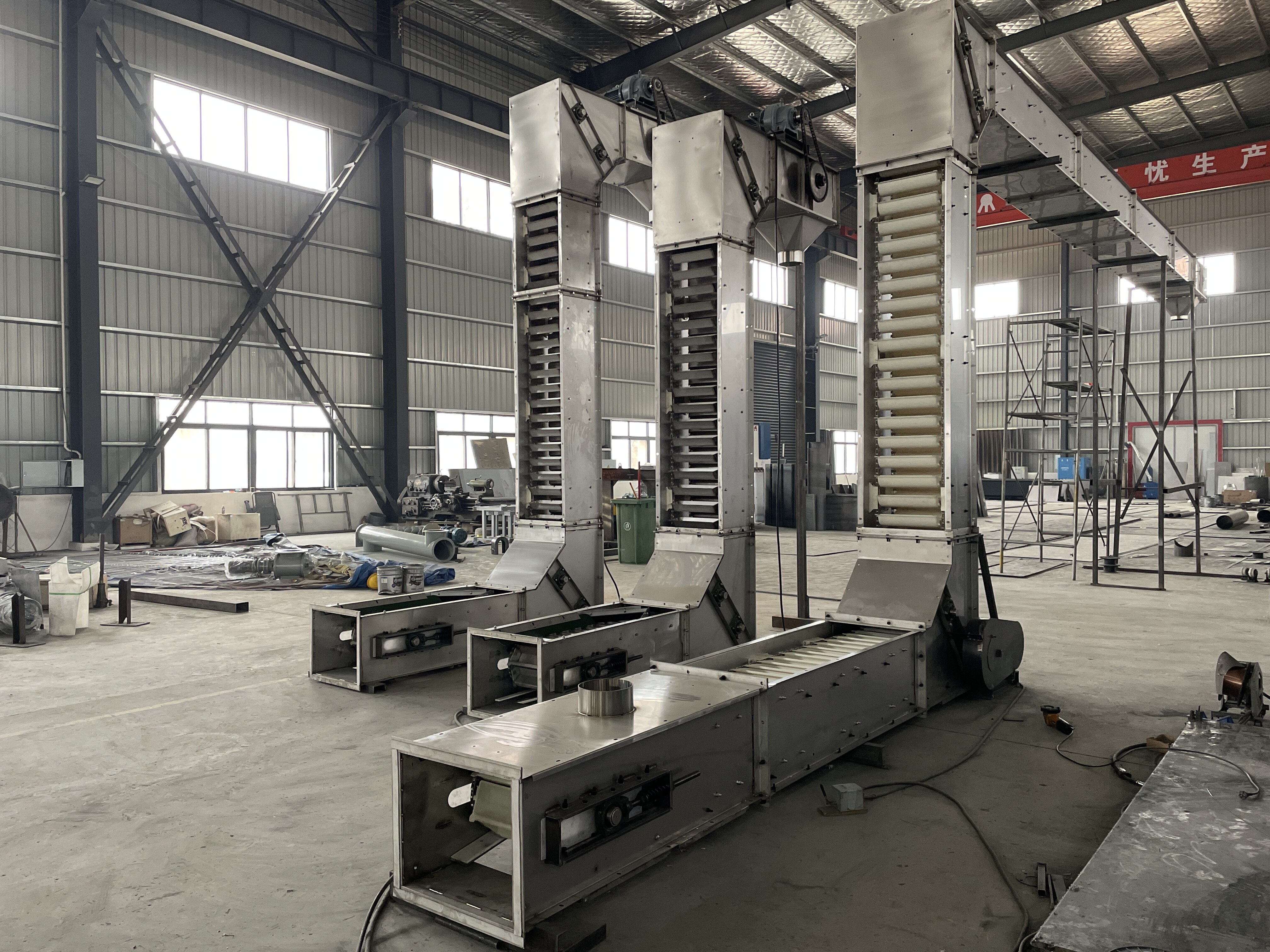
Vacuum ConveyorContinuous material conveying via a sealed pipeline chain system. Material enters through the feed inlet and is pushed forward by scrapers driven by the chain, then exits through the discharge outlet. The entire process occurs in a sealed environment, effectively preventing dust leakage and material contamination.
The equipment features a modular design that allows flexible configuration of horizontal, vertical, and turning sections to support multi-point feeding and discharge. The chain is manufactured from high-strength alloy steel for enhanced wear resistance, corrosion protection, and extended service life.
Device Features
Fully enclosed transfer
Enclosed piping design ensures zero dust leakage and meets environmental standards.
Flexible Layout
Supports horizontal, vertical, and turning combinations to adapt to complex operating conditions
Multi-point entry
Supports multi-point feeding and discharging for flexible process configurations.
Low breakage rate
Gentle delivery method with extremely low material breakage rate.
Material options
Carbon steel, 304 stainless steel, or 31 6L stainless steel available
Smart Control
Supports PLC automated control and remote monitoring
Applicable Materials
The above are common material examples only. For more materials, please consult an engineer to confirm suitability.
Industries Served
Chemical Industry
Fertilizers, pigments, coatings, catalysts, and more
Healthcare Industry
APIs, intermediates, excipients
Food Industry
Flour, starch, powdered sugar, milk powder, etc.
New Energy
Lithium battery materials, photovoltaic materials, and more
Selection Guide
1. Determine material properties
Includes material name, particle size, bulk density, moisture content, flowability, abrasiveness, and corrosivity.
2. Determine production capacity requirements
Determine hourly throughput based on production process and select appropriate equipment specifications.
3. Confirm delivery route
Horizontal distance, vertical height, turning angle, feed and discharge point locations
4. Confirm material requirements
Select carbon steel, stainless steel, or other special materials based on material properties and industry requirements.
FAQ
Q:Can the device be customized?
A:Yes. We offer custom solutions tailored to material properties, production capacity, and process requirements, including specifications for materials, dimensions, and loading/unloading methods.
Q:What is the lead time?
A:Standard products ship in 15-20 business days. Custom products take 20-30 business days, depending on complexity.
Q:Do you offer installation and setup services?
A:We provide professional engineers to guide on-site installation, debugging, and operational training.
Q:How long is the warranty period?
A:Full unit warranty for 1 years. Free repair and parts replacement during the warranty period, with lifetime technical support.